
Most content on dual occupancy subdivision NSW developers find online walks through the steps. This article covers what the process actually looks like from the Certification side. The patterns across Councils, the points where projects stall, and what experienced teams do differently.
If you are working on a duplex subdivision in NSW as a developer, investor, builder, or consultant, this is what the process looks like once you have seen it play out across a wide range of Council areas.
Why the CDC Pathway Has Changed Dual Occupancy Subdivision in NSW
The Low Rise Housing Diversity Code (LRHDC) fundamentally changed how dual occupancy subdivision works in NSW. Before the Code SEPP 2008, most duplex subdivisions required a Development Application through Council. That meant longer timeframes, more uncertainty, and variable outcomes depending on the assessing officer.
Under the LRHDC, qualifying projects can be approved through a complying development certificate for subdivision. The entire chain (building CDC, occupation certificate, subdivision CDC, and subdivision certificate) stays with Registered Certifiers.
CDC vs DA: What Drives the Speed Difference
A DA pathway typically takes three to six months for subdivision consent alone. A CDC duplex subdivision NSW certifiers can assess must be determined within 20 calendar days if it meets the numerical standards in the Codes SEPP.
The real gain is the removal of subjective assessment. A CDC is a compliance check: lot sizes, frontage widths, etc. No merit assessment, no neighbour notification, no discretionary conditions. If the numbers work, the approval follows.
What Actually Slows Down a Duplex Subdivision in NSW?
The CDC pathway is fast by design. But that does not mean every project runs smoothly. Certain issues come up repeatedly, and most of them are avoidable.
Late Certifier Appointment
This is the most common cause of delay. Too many projects bring the Subdivision Certifier in after construction is almost complete, or after the occupation certificate has been issued. By that point, trying to streamline to issue the Subdivision Certificate as soon as OC is issued becomes harder.
The earlier a Certifier reviews the proposal, the earlier problems get flagged, and the project flows smooth and fast. It’s that simple
Incomplete Documentation and Missing Survey Plans
A CDC application requires specific documentation: current survey plan, draft plan of subdivision from a registered surveyor, section 10.7 planning certificates, evidence of the building CDC, and various compliance documents.
When any of these are missing or outdated, the application stalls. The most common gap is the draft subdivision plan. If the surveyor has not been briefed early, or the plan does not align with the approved building footprint, the whole process waits.
Choosing the Wrong Title Structure
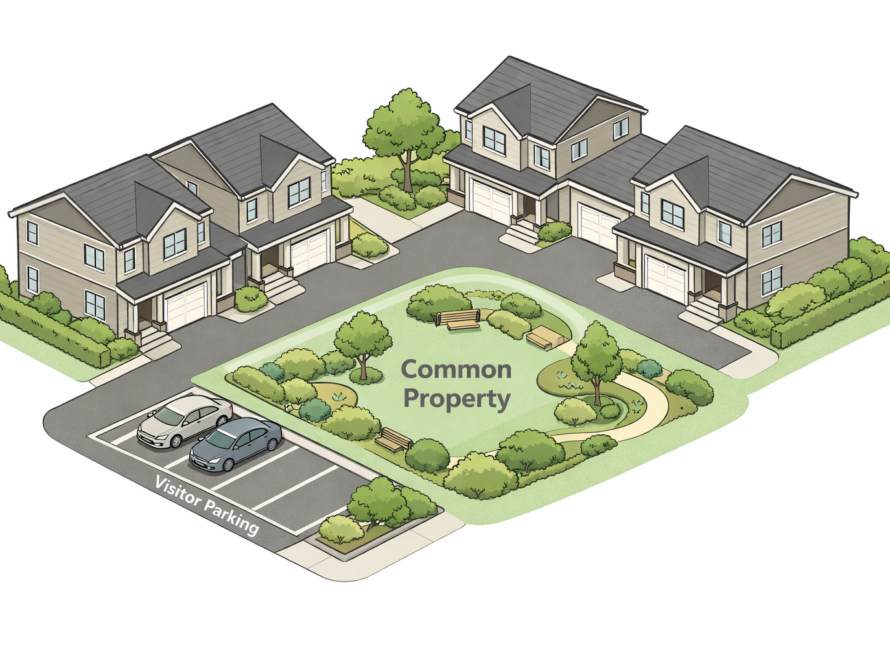
This decision should be made at the design stage. Getting it wrong means redesigning the subdivision layout or switching pathways mid-project. Most dual occupancy CDC subdivisions are Torrens title, but the projects that hit problems are often those where strata was the better option and nobody flagged it early.
What Patterns Show Up Across Different NSW Councils?
The LRHDC sets the approval framework, but Councils still control infrastructure requirements, S7.11 contributions, and plan registration logistics. That means the experience varies from one LGA to the next.
Where Projects Tend to Move Quickly
Councils with high dual occupancy CDC activity tend to run smoother. Their teams know the documentation, contribution frameworks are established, and the path from CDC to registered plan is well worn.
Areas across Western Sydney incuding Canterbury-Bankstown, Sutherland Shire, Ryde and Parramatta LGAs consistently see strong activity. Projects in these areas benefit from that familiarity: fewer surprises, faster contribution processing, and clearer expectations at every stage.
Where They Slow Down, and Why
The most common Council-side bottleneck is where the development requires a Council endorsed Positive Covenant & Restriciton for OSD, and Section 7.11 or 7.12 contribution processing. Some councils turn these around quickly. Others take weeks.
Regional Councils and LGAs with lower dual occupancy volumes can also be slower, not because the projects are harder, but because the process is less familiar internally.
Why Council-Specific Knowledge Matters
A Subdivision Certifier NSW developers can rely on is one who has worked across a broad range of Councils and knows where friction points sit. Which Councils require specific easement widths, which have particular service connection clearances, and which are fast or slow on contributions.
This is not something you find in a planning instrument. It comes from direct experience. Breadth of Council coverage is a genuine differentiator when choosing a Registered Certifier for dual occupancy subdivision.
Does It Matter Whether You Use a Registered Certifier for Dual Occupancy?
Yes. For CDC dual occupancy Subdivision, a Rrivate Subdivision Certifier is typically the faster and more predictable pathway.
Council Pathway vs Private Certifier
If your dual occupancy was approved via DA, the subdivision must also go through Council. That means a separate DA applcation for the subdivision certificate. That commonly takes three to six months or longer.
If it was approved via CDC under the LRHDC, a Registered Certifier can issue both the subdivision CDC and the subdivision certificate. Weeks rather than months, because the assessment is a compliance check, not a merit-based review.
The Eligibility Catch Most People Miss
A CDC for subdivision can only be issued where the building itself was also approved via CDC. If your building was approved through a DA, you are locked into the Council process for subdivision as well.
The decision at the start (DA or CDC for the building) determines the subdivision pathway for the entire project. It is one of the most consequential early calls in any duplex development, and it is often made without understanding the downstream implications.
What I'd Tell Every Developer Before Starting a Duplex Subdivision
These are the things that consistently separate smooth projects from the ones that drag.
Get Your Certifier Involved Before Construction Starts
The earlier a Subdivision Certifier reviews the proposal, the easier it is to catch issues with lot layout, easements, and title structure. A short conversation at the design stage can save weeks of rework later.
Confirm Your Approval Pathway Early
Know whether you are on the CDC or DA pathway before you commit. If you are targeting CDC, make sure the building approval is also via CDC. If it is a DA, plan for the longer Council subdivision process and build that into your timeline.
Don't Assume Torrens Title Is Automatic
Most dual occupancies subdivide under Torrens title, but not all sites suit it. Confirm the title structure early with your Surveyor and Certifier.
Can You Subdivide a Duplex Approved Under a DA Using a Registered Certifier?
No. If the building was approved under a DA, the Torrens title subdivision must also go through Council. That means a separate DA for subdivision, and the subdivision certificate itself must also be issued by Council. A Registered Subdivision Certifier cannot act as the Prinicipal Certifying Authority for a Council DA Torrens title subdivision.
This is why the CDC pathway is preferred by developers who want speed and certainty. The entire chain stays with registered certifiers, with no council consent required at any stage.
What Is the Fastest Way to Subdivide a Dual Occupancy in NSW?
The fastest pathway is a CDC dual occupancy under the Low Rise Housing Diversity Code, followed by a CDC for subdivision issued by a Subdivision Certifier. When documentation is complete and the proposal complies with all numerical standards, the subdivision CDC can be issued within days of application.
The key to speed is preparation. Have the Surveyor engaged early, the draft subdivision plan aligned with the building approval, and the Certifier appointed before you need them. Projects that move fastest are not the ones that rush. They are the ones that prepare properly.
How Long Does a CDC Duplex Subdivision Actually Take?
It depends on documentation readiness and Council obligations time to be fulfilled. The subdivision CDC itself can issue within days if the application is complete. The subdivision certificate (the final step for plan registration) depends on satisfying all conditions, paying contributions, and lodging with NSW Land Registry Services.
Projects that drag are almost always waiting on missing documentation, late surveyor engagement, or slow contribution processing.
Next StepsNext Steps
If you are planning a dual occupancy subdivision in NSW and want clear advice on the certification pathway, Southwell Certifiers can help. To discuss your project and receive a no-obligation fee proposal, contact us on (02) 8734 5676, email admin@southwellcert.com.au, or request a fee proposal.