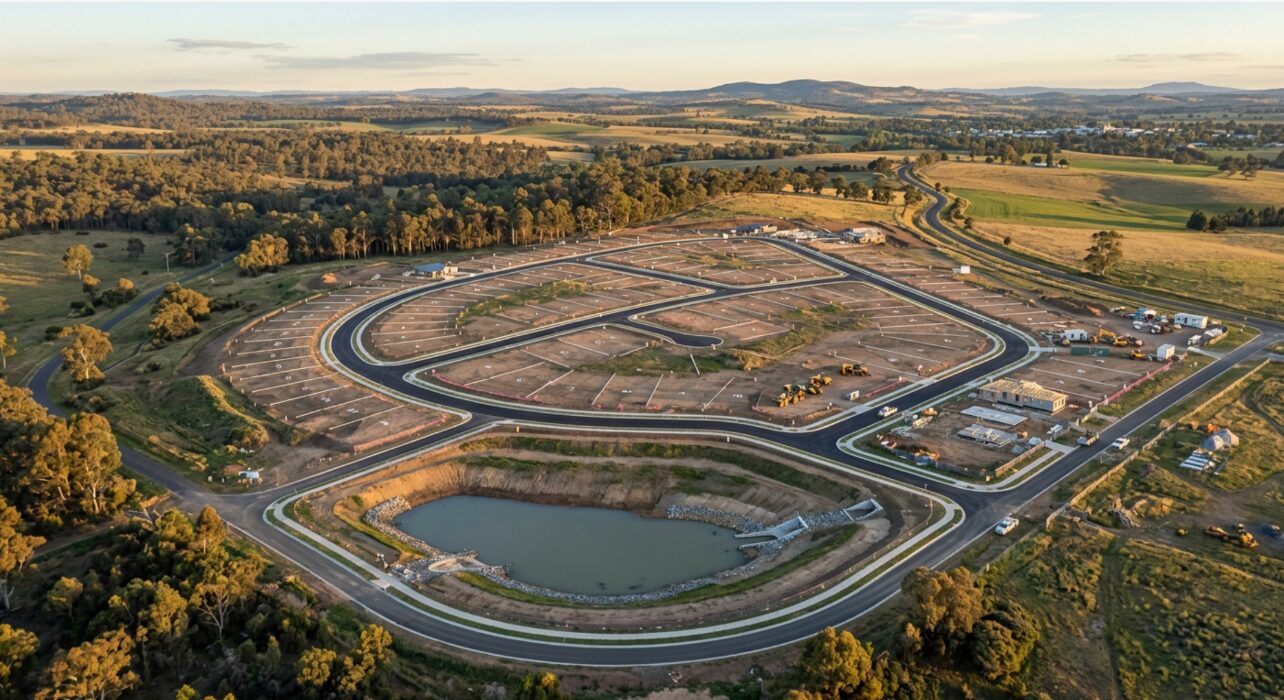
A Subdivision Works Certificate in NSW certifies the internal private works for a subdivision. The submission package falls into three groups: P1 (Plans), B + CW (Approvals from other authorities) and M (Miscellaneous plans and approvals). This is the subdivision works certificate checklist NSW developers need to lodge a complete package. The SWC sits between…
A Construction Certificate approves building work. A Subdivision Works Certificate approves the civil works that come with a land subdivision. Since 1 December 2019 in NSW, they have been separate certificates. Many projects need one. Some need both. If you are planning a duplex, townhouse, subdivision, or a project that mixes a new building with…
Five conditions stop a Subdivision Works Certificate from being issued more often than any others in NSW: Section 138 Roads Act approval, service authority approvals, the Long Service Levy payment, dilapidation reports and security bonds, and engineering plan amendments to a construction-ready set. Each one sits between the DA consent and the SWC. Each one…
A dual orifice on-site detention tank uses two outlets to control discharge across both small and large storms, while a single orifice system relies on one. Dual orifice designs match predevelopment flow rates more accurately across the 20% to 1% AEP range, reduce overflow risk, and align with the Upper Parramatta River Catchment Trust Handbook…
A subdivision Compliance Certificate in NSW is only issued after the Certifier has carried out inspections during construction and reviewed supporting documents verifying that works and materials match the approved design. Without both, the Compliance Certificate cannot be issued, and will hold up the Subdivision Certificate.
Subdivision projects involve serious infrastructure. Roads, kerbs, drainage, earthworks,…
A Subdivision Works Certificate (SWC) is issued before civil works start. A Subdivision Certificate is issued at the end of the project and registers the new lots on title. You may need one or both, depending on your project. These two certificates sound similar, but they do very different jobs. If you are not familiar…
Development consent is not the finish line on a subdivision project. It is the starting gun. Once DA approval lands, the certification pathway is already in motion. It starts at DA stage, runs parallel to design and construction, and carries its own sequence of requirements that can hold a project at a standstill if no…
On-site detention OSD in NSW has been a standard condition of subdivision consent since the early 1990s. The idea is simple: detain stormwater on site, release it slowly, and avoid overloading Council's drainage network downstream. In infill areas, where acquiring land for a regional alternative is rarely feasible, on-lot OSD is often the only practical…
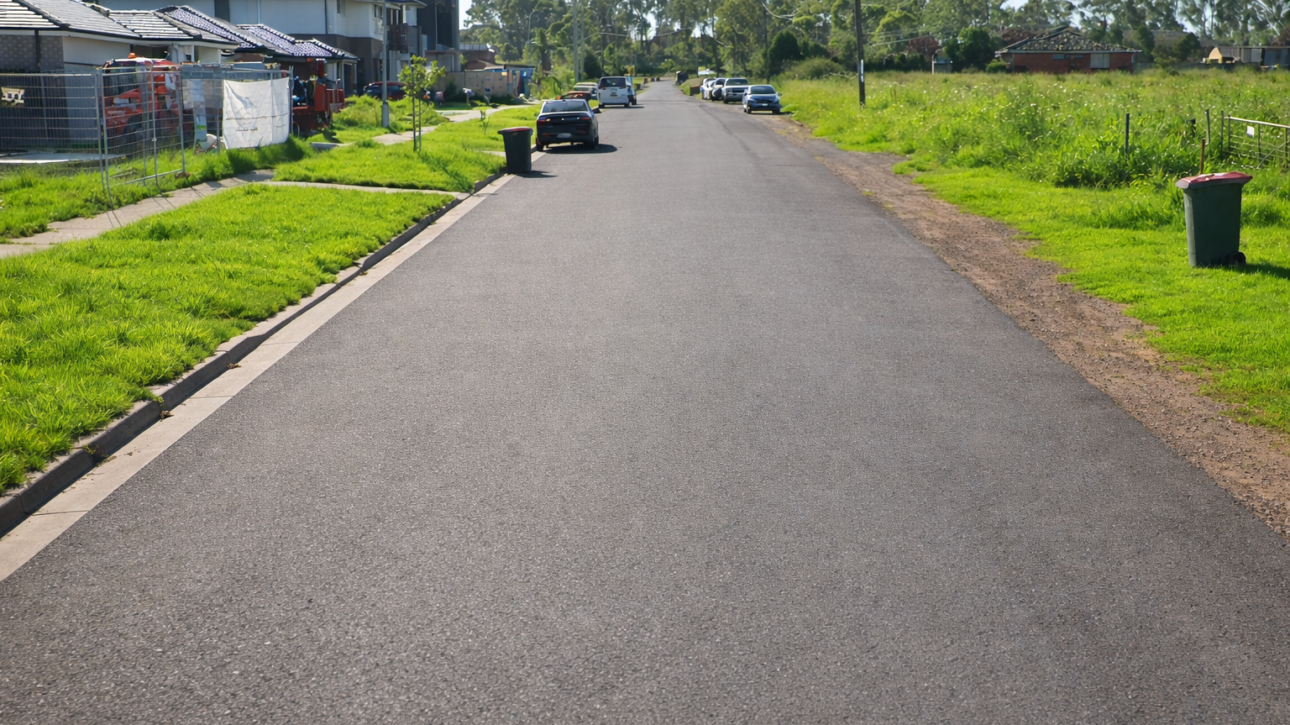
You plan on subdividing your site, the road out front is split down the middle. One half is new: clean kerb and gutter, fresh stormwater drainage, sealed pavement. Your half is cracked asphalt, patched potholes, no kerb, no drainage. That gap is your problem to fix. This is a common scenario in NSW land subdivision,…
Most subdivision delays do not come from the big-ticket items. They come from consent conditions that get overlooked early and become serious problems at Subdivision Certificate stage.
One of the most common is the Section 68 approval under the Local Government Act 1993. It applies when stormwater or drainage works extend beyond the property listed…