Duplex & Dual Occupancy Subdivision in NSW
A duplex or dual occupancy in NSW is subdivided by Torrens or strata subdivision, turning two dwellings on one lot into separately owned titles. The right pathway depends on your approval type, your lot, and your council’s LEP.
Southwell Certifiers issues the Subdivision and Strata Certificates that make it happen, with subdivisions approved across 35+ NSW councils, metropolitan and regional.
What is duplex and dual occupancy subdivision?
A duplex can exist as two finished homes and still sit on a single title. Subdivision is the legal step that separates them, so each dwelling can be sold, financed, or transferred on its own.
Subdivision Certificates are issued under Part 6 of the Environmental Planning and Assessment Act 1979. Strata Certificates are issued under the Strata Schemes Development Act 2015.
Dual occupancy or duplex? Same process, different names
Dual occupancy is the planning term for two dwellings on one lot of land. Duplex is the common name for the attached, side-by-side version. The Codes SEPP and council LEPs say dual occupancy; buyers and builders say duplex. The certification process is the same.
Still weighing up the two title types? See our guide to Torrens title vs strata title in NSW.
Two ways to subdivide your duplex:
Torrens Title
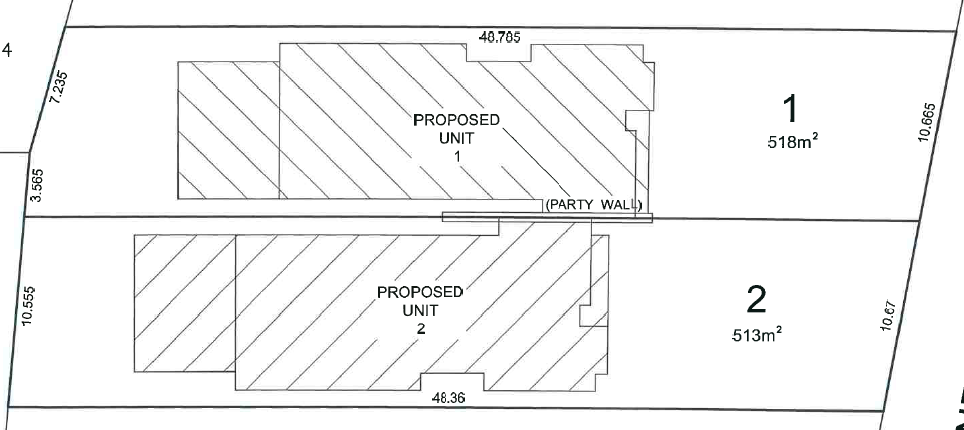
Creates two independent lots of land. Each owner holds their land outright, with no shared scheme. Generally achieves stronger sale values for duplexes.
Strata Plan
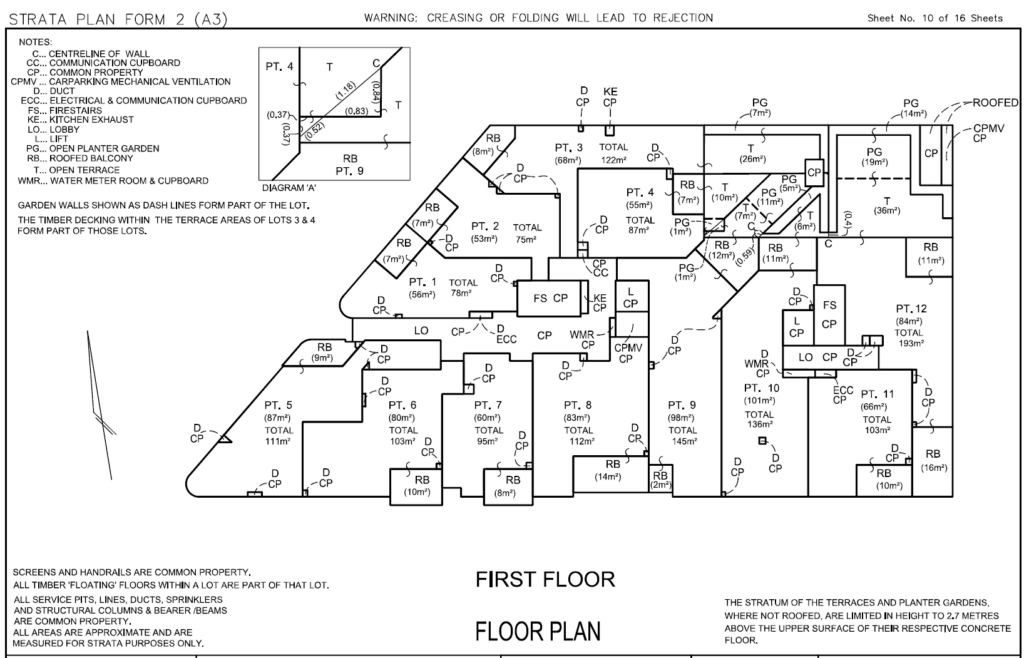
Creates lots within a strata scheme. Suits duplexes with shared elements, like a common driveway or services that cannot be cleanly separated.
Who needs a duplex subdivision certifier?
Duplex and dual occupancy subdivision is core work at Southwell, not a sideline. If any of these sound like your project, a registered certifier belongs on the team early:
Developers building under CDC
Duplex builds approved by Complying Development Certificate where two Torrens titles are wanted at completion.

Owners selling or refinancing one side
Property owners subdividing an approved dual occupancy so each dwelling can be sold or financed separately.

Builders and project managers
Teams that need a Subdivision Works Certificate issued before civil works like driveways and service connections start.

Architects and surveyors
Consultants whose clients need a certifier appointed early enough to avoid redesign, including checking whether an existing duplex can be subdivided.
How do you subdivide a duplex in NSW?
Step 1: Confirm your approval pathway, before design if possible. A CDC-approved duplex can use the CDC subdivision pathway. A DA-approved duplex subdivides under its development consent. This one fact shapes everything downstream. See how to subdivide a duplex under CDC.
Step 2: Check the lot rules early. The Codes SEPP default minimum is 200 m² per resulting lot unless your LEP sets its own figure. Add the 6-metre width rule measured at the building line, and lawful frontage requirements. Full detail: dual occupancy subdivision lot size rules. A feasibility check at this stage takes days and prevents redesigns that cost months.
Step 3: Obtain a Subdivision Works Certificate if works are required. Driveways, service connections, stormwater and similar works need a Subdivision Works Certificate before they start.
Step 4: Build and reach occupation. The final Occupation Certificate for the dwellings is the trigger point for the last certification step.
Step 5: Plan of subdivision and certification. Your registered surveyor prepares the plan. The certifier assesses it against the approval and issues the Subdivision Certificate or Strata Certificate. With a complete package, this step is measured in days, not months.
Step 6: Registration. The certified plan is lodged with NSW Land Registry Services and the new titles are created.
Demand for this work keeps growing. Canterbury-Bankstown alone recorded 203 CDC duplex approvals in the last 12 months, the highest of any LGA in NSW.
How long does duplex subdivision take and what does it cost?
The certification steps are the fast part. Timing comes down to how quickly the complete documentation package reaches the certifier. Southwell assesses all documentation and responds within one to two business days. If the package is complete, the Subdivision Certificate is issued within that time. What stretches timelines is incomplete documentation: missing compliance certificates, works-as-executed plans, or consent conditions that were never closed out.
Engaging the certifier early is the single best way to keep the program tight.
Cost depends on the pathway (CDC or DA), whether subdivision works are involved, and which certificates you need. Southwell Certifiers quotes fixed fees up front in a written fee proposal, so there are no surprises at registration time.
What we assess
To issue a Subdivision or Strata Certificate, Southwell Certifiers reviews:
- Compliance with all conditions of the relevant CDC or development consent
- Final subdivision or strata plan prepared by a registered surveyor
- Consistency with approved Construction Certificate drawings
- Water Authority compliance certificate
- Compliance with any engineering and design conditions of consent
- Administration sheet and 88B instrument (positive covenants, restrictions, easements) where applicable
- Final inspection where required under the approval
- Evidence that applicable development contributions have been addressed
Why Southwell Certifiers?
Dean Dehghan-Khalaji is a Chartered Professional Engineer (CPEng) and Registered Certifier BDC 05320, listed on the National Engineering Register (NER) and a member of the Association of Australian Certifiers (AAC).
- Subdivision and strata certification across 35+ NSW councils, metropolitan and regional
- An independent subdivision certifier, not tied to council timelines or big-firm queues
- Fixed fees quoted up front in a written fee proposal
- You deal directly with Dean from feasibility to registration
FAQ Section
What is the difference between a dual occupancy and a duplex?
Dual occupancy is the planning term for two dwellings on one lot of land. A duplex is the common name for a dual occupancy where the dwellings are attached side by side. Planning instruments like the Codes SEPP use dual occupancy; buyers and builders say duplex. The subdivision process is the same.
Does my duplex qualify for CDC subdivision in NSW?
It qualifies if the duplex itself was approved under a CDC and the lot meets the subdivision standards, including minimum lot size, the 6-metre width rule and lawful frontage. A DA-approved duplex cannot use the CDC subdivision pathway; it subdivides under its development consent instead.
What is the minimum lot size for duplex subdivision in NSW?
The Codes SEPP default is 200 m² per resulting lot, but most councils set their own minimums in the LEP, commonly 250 to 300 m². Always check the LEP lot size schedule before committing to a design.
Is Torrens or strata title better for a duplex?
Torrens title generally achieves stronger sale values because each owner holds their land outright with no scheme obligations. Strata suits duplexes with shared elements that cannot be separated, such as a common driveway. The design and servicing usually decide it, which is why the question is best answered before construction.
Can you strata title an existing duplex in NSW?
Often, yes. It depends on the original approval, current compliance of the building, and whether the lot meets today’s subdivision standards. A feasibility review against the approval documents is the right first step.
Do I need a Subdivision Works Certificate?
Only if your approval requires subdivision works such as new service connections, driveways, or stormwater. The Subdivision Works Certificate must be issued before those works start.
How quickly can the Subdivision Certificate be issued?
That depends on how quickly the complete documentation package reaches us. Southwell assesses all documentation and responds within one to two business days. If everything is there, the Subdivision Certificate is issued within that time. If something is missing, you get a response in the same window telling you exactly what is outstanding. On most subdivisions the final Occupation Certificate is the last item to arrive, so it usually governs the date.
Ready to proceed with your Duplex or Dual Occupancy Subdivision
Contact Southwell Certifiers to discuss your project and receive a no-obligation fee proposal. Call (02) 8734 5676, email admin@southwellcert.com.au, or request a fee proposal online.
Written by Dean Dehghan-Khalaji, CPEng, Registered Certifier (BDC 05320), AAC Member. Dean is the principal certifier at Southwell Certifiers, specialising in subdivision and strata certification across NSW.